The national park was created by Presidential Proclamation No. 667, covering an area of 16.76 square kilometres (6.47 sq mi) and signed by President Manuel L. Quezon on January 18, 1940, for the benefit and enjoyment of the people of the Philippines and known as the Hundred Islands National Park (HINP). The Republic Act No. 3655 signed on June 22, 1962, created the Hundred Islands Conservation and Development Authority (HICDA), for the conservation, development and management of HINP. The park including Lucap Bay was transferred from HICDA to the Philippine Tourism Authority (PTA) by virtue of Section 35 of Presidential Decree No. 564.
On April 27, 1982 under Proclamation No. 2183, the national park including Lucap Bay and its foreshore areas, beginning from Sitio Telbang to the east to Sitio Recudo to the west, were declared as a Tourist Zone and Marine Reserve under the control and administration of the PTA. Subsequently under the Presidential Proclamation No. 2237 enacted on November 6, 1982, the parcels of land reserve for the Marine Fisheries Multi-Purpose Farm (created under Proclamation No. 1282 of June 21, 1974) were withdrawn and were also placed under the control and supervision of the Tourism Authority for development purposes.
The Sagip Lingayen Gulf Project is a study done in 2010, implemented by the Marine Environment and Resources Foundation Inc. and funded by the Dutchgovernment, in response to the lack of resources on the terrestrial wildlife of the islands. The study assessed and created an inventory of the flora and fauna of the islands to help the city government create an environmental monitoring program to protect the island’s biodiversity. Some of the wildlife found living in the National Park are:[2] Sagip Lingayen Gulf Project is a study done in 2010, implemented by the Marine Environment and Resources Foundation Inc. and funded by the Dutchgovernment, in response to the lack of resources on the terrestrial wildlife of the islands. The study assessed and created an inventory of the flora and fauna of the islands to help the city government create an environmental monitoring program to protect the island’s biodiversity. Some of the wildlife found living in the National Park are:
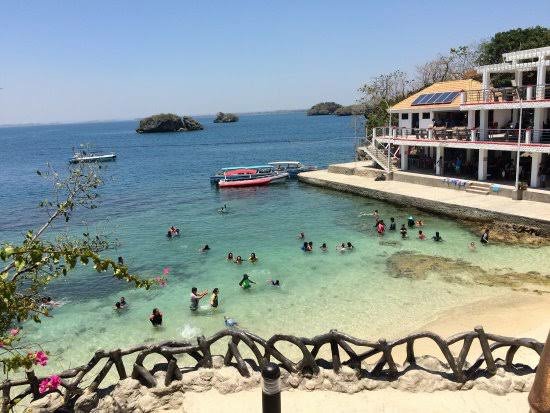
Just around five hours away from Manila, Hundred Islands is an ideal escape from the hustle and bustle of the city. A cheap and fun way to experience the tropical Philippines be it as a day tour or an overnight trip, camping or staying in the accommodations on four developed islands – Quezon Island, Governor’s Island, Marcos Island and Children’s Islands.
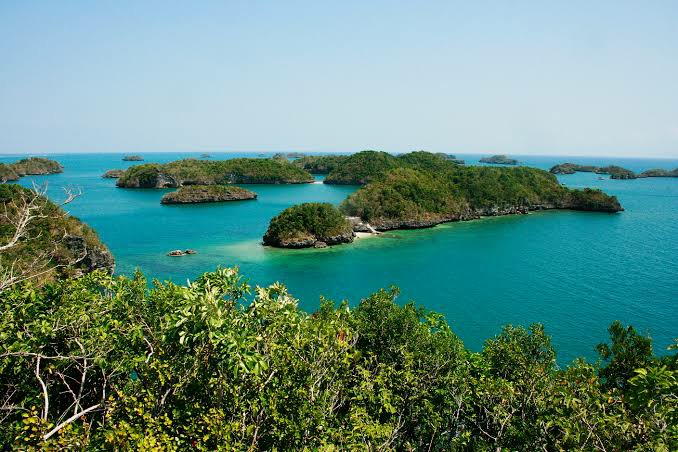
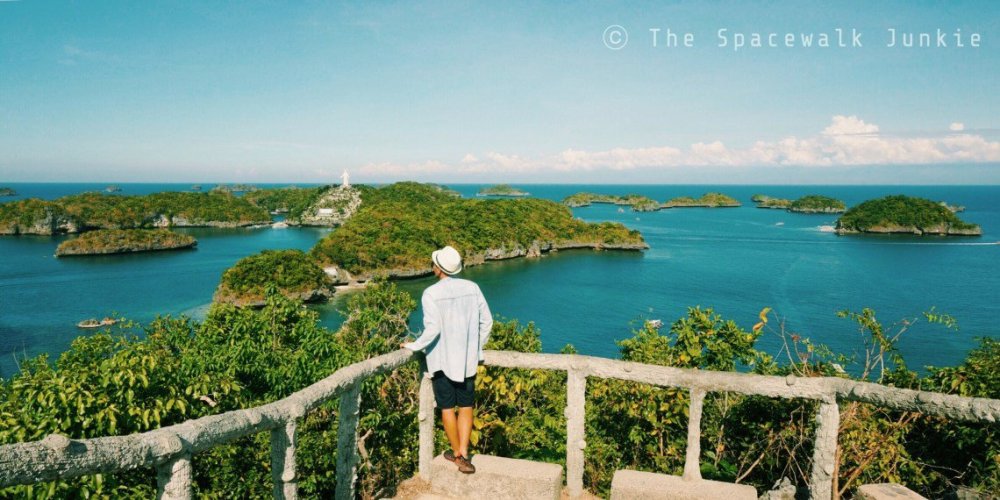
With more than hundred islands harboring white sand beaches, caves, limestone rocks and cliffs, and rich marine life, Hundred Islands guarantee a well worth escape in this part of Pangasinan.
How to Get to Hundred Islands
Alaminos City is the gateway to the Hundred Islands National Park. It is around five hours by public bus from Manila.
Victory Liner, Solid North Bus, Dagupan Bus, Five Star Bus and Philippine Rabbit have multiple trips daily to Alaminos City. Aircon bus fare as of January 2018 is approximately P400 one-way Manila to Alaminos, while ordinary (non-aircon) bus fare is around P350.
From Alaminos City proper, ride a tricycle going to Barangay Lucap’s Lucap Don Gonzalo Montemayor Wharf, this is where the Tourism Information Center is located. Tricycles charge P15 per person and depart when full, chartered rate is around P100 per ride good for five to six passengers.

 Hundred Island, Pangasinan